27 December 2005
Birdseyes from
http://www.local.live.com
Related New York Times editorial, 27 December 2005:
http://www.nytimes.com/2005/12/27/opinion/27tues1.html
Editorial
Time for Chemical Plant Security
It is hard to believe, but more than four years after the Sept. 11 attacks,
Congress has still not acted to make chemical plants, one of the nation's
greatest terrorist vulnerabilities, safer. Last week, Senators Susan Collins,
a Maine Republican, and Joseph Lieberman, a Connecticut Democrat, unveiled
a bipartisan chemical plant security bill. We hope that parts of the bill
will be improved as it works its way through Congress, though even in its
current form the bill would be a significant step.
If terrorists attacked a chemical plant, the death toll could be enormous.
A single breached chlorine tank could, according to the Department of Homeland
Security, lead to 17,500 deaths, 10,000 severe injuries and 100,000
hospitalizations. Many chemical plants have shockingly little security to
defend against such attacks.
After 9/11, there were immediate calls for the government to impose new security
requirements on these plants. But the chemical industry, which contributes
heavily to political campaigns, has used its influence in Washington to block
these efforts. Senator Collins, the chairwoman of the Committee on Homeland
Security and Governmental Affairs, has held hearings on chemical plant security,
and has now come up with this bill with both Republican and Democratic sponsors.
The bill requires chemical plants to conduct vulnerability assessments and
develop security and emergency response plans. The Department of Homeland
Security would be required to develop performance standards for chemical
plant security. In extreme cases, plants that do not meet the standards could
be shut down.
Until recently, it appeared that the bill might include pre-emption language,
which would block states from coming up with their own chemical security
rules. That would have made the bill worse than no bill at all. New Jersey
has just imposed its own chemical plant security rules, and other states
may follow. These states should be free to protect their citizens more vigorously
than the federal government does, if they choose. To Senator Collins's and
Senator Lieberman's credit, the bill now expressly declares that it does
not prevent states from doing more.
The bill's biggest weakness is that it does not address the issue of alternative
chemicals. In many cases, chemical plants in highly populated areas are using
dangerous chemicals when there are safer, cost-effective substitutes. A strong
bill would require chemical companies to investigate alternatives, and to
use them when the cost is not prohibitive. Senator Lieberman has said that
he hopes to strengthen the bill's approach to alternative chemicals, which
would be an important improvement.
The burden now falls on the House of Representatives to pass a bill that
is at least as tough, and that does not pre-empt the states' authority in
this area. A leading antiterrorism expert has described the nation's chemical
plants as "15,000 weapons of mass destruction littered around the United
States." The American people have waited long enough to be protected from
these homegrown W.M.D.'s.
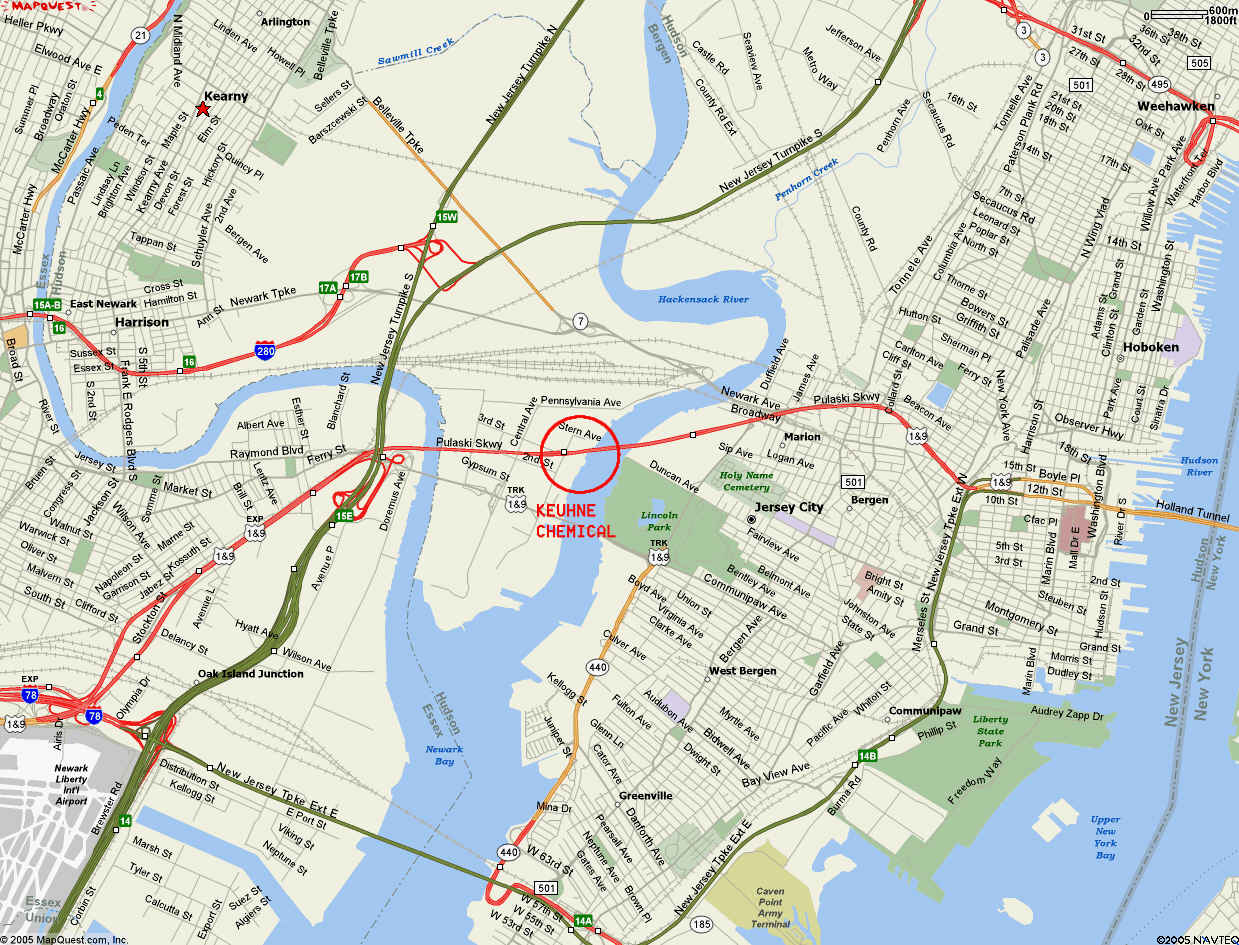
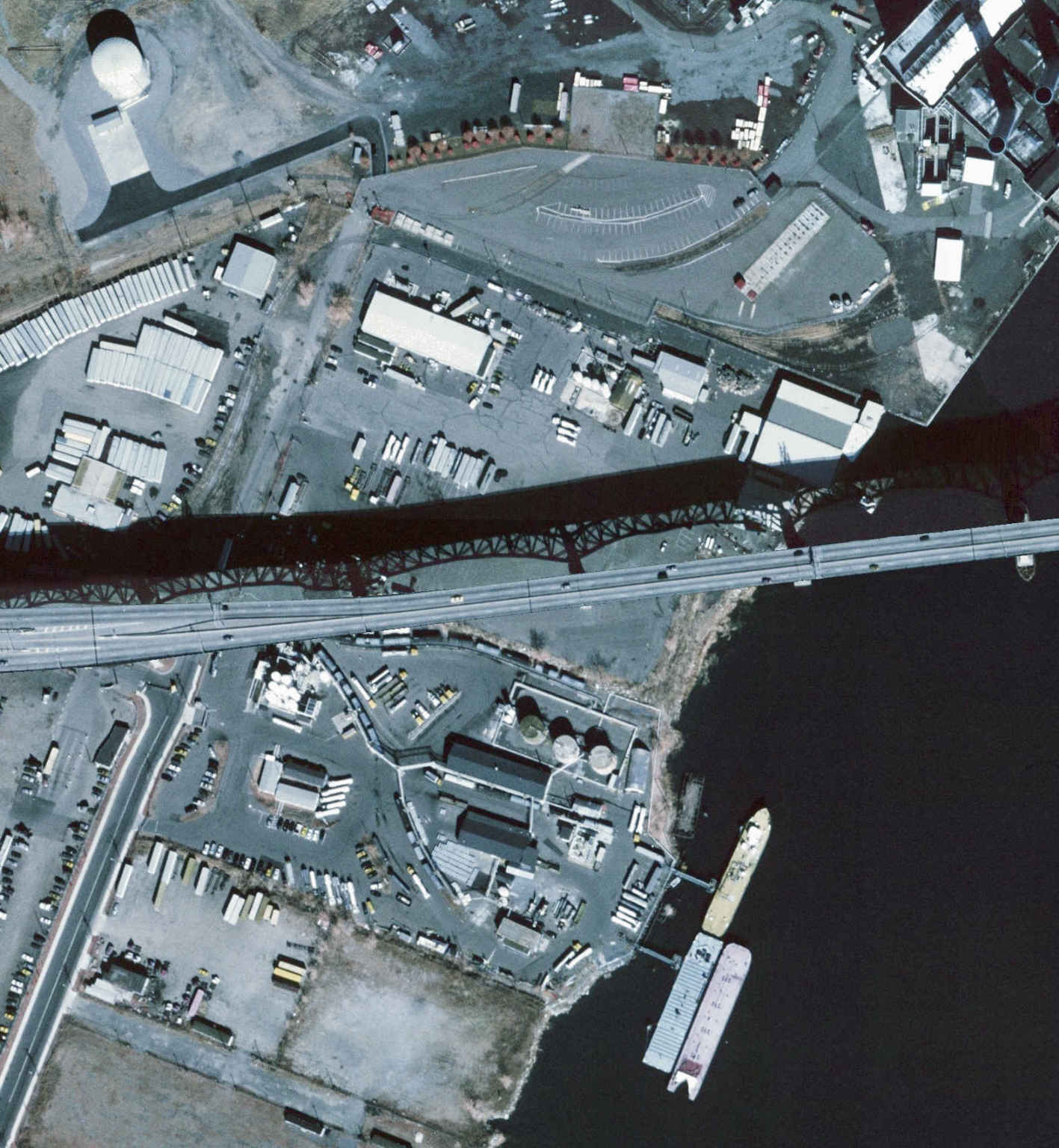
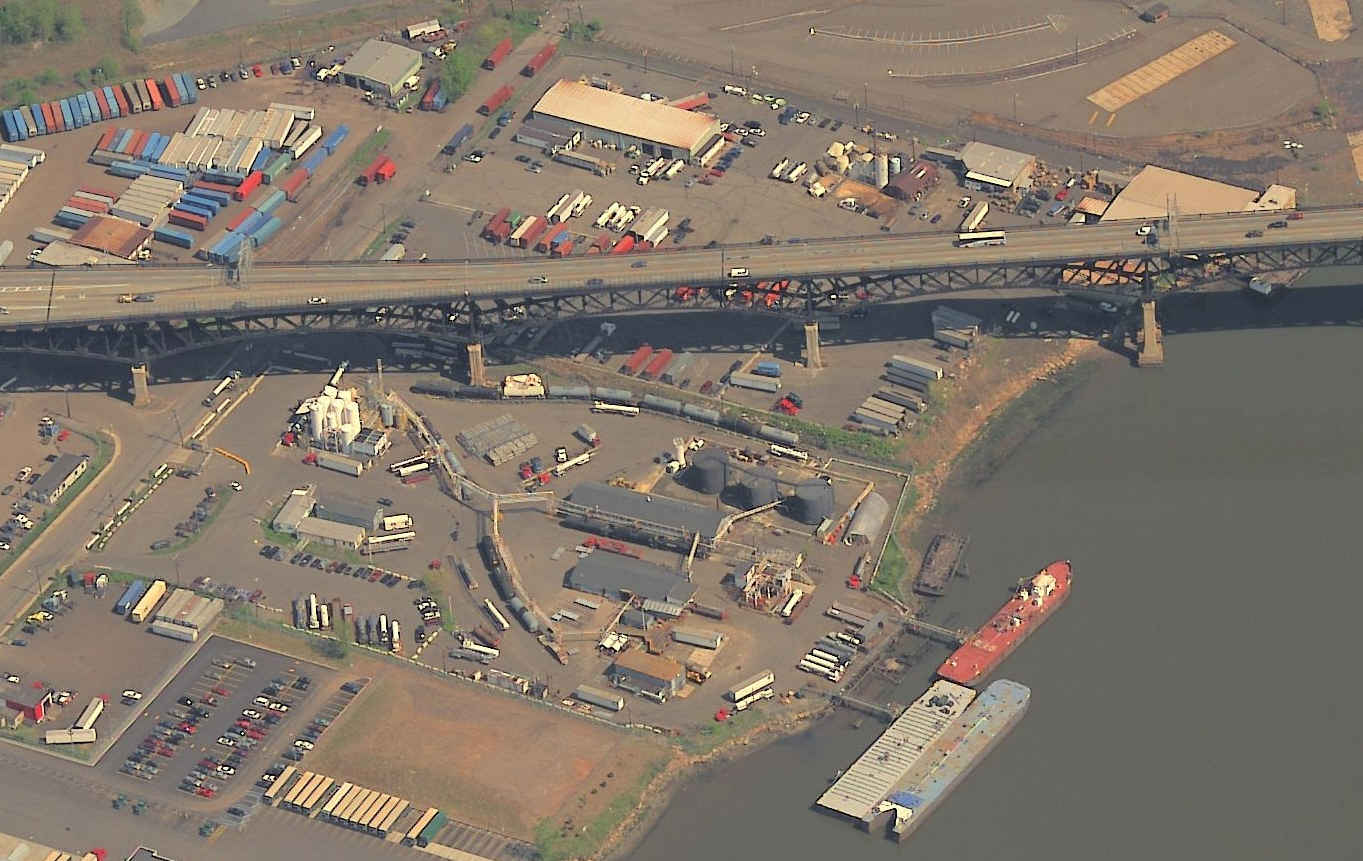
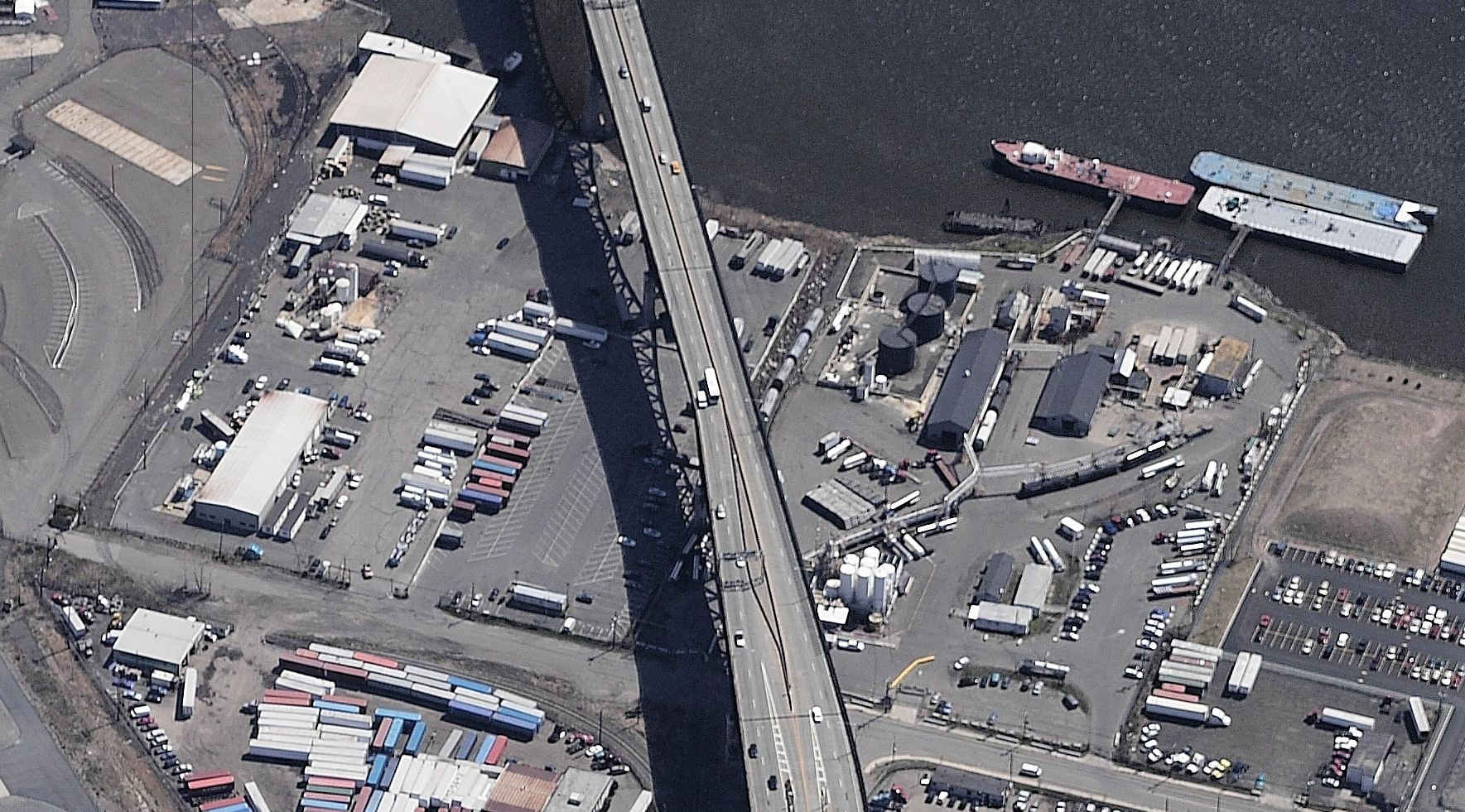
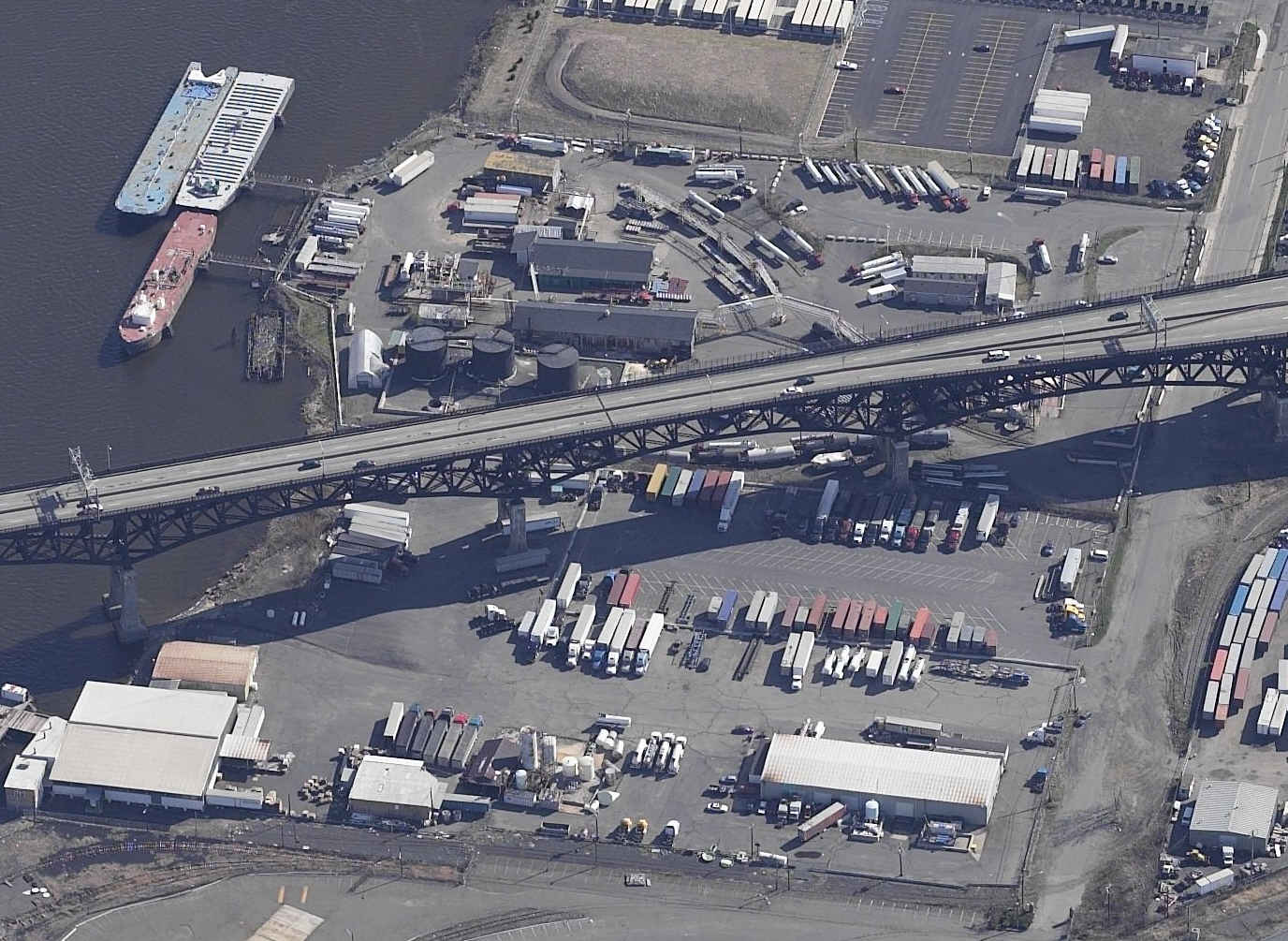
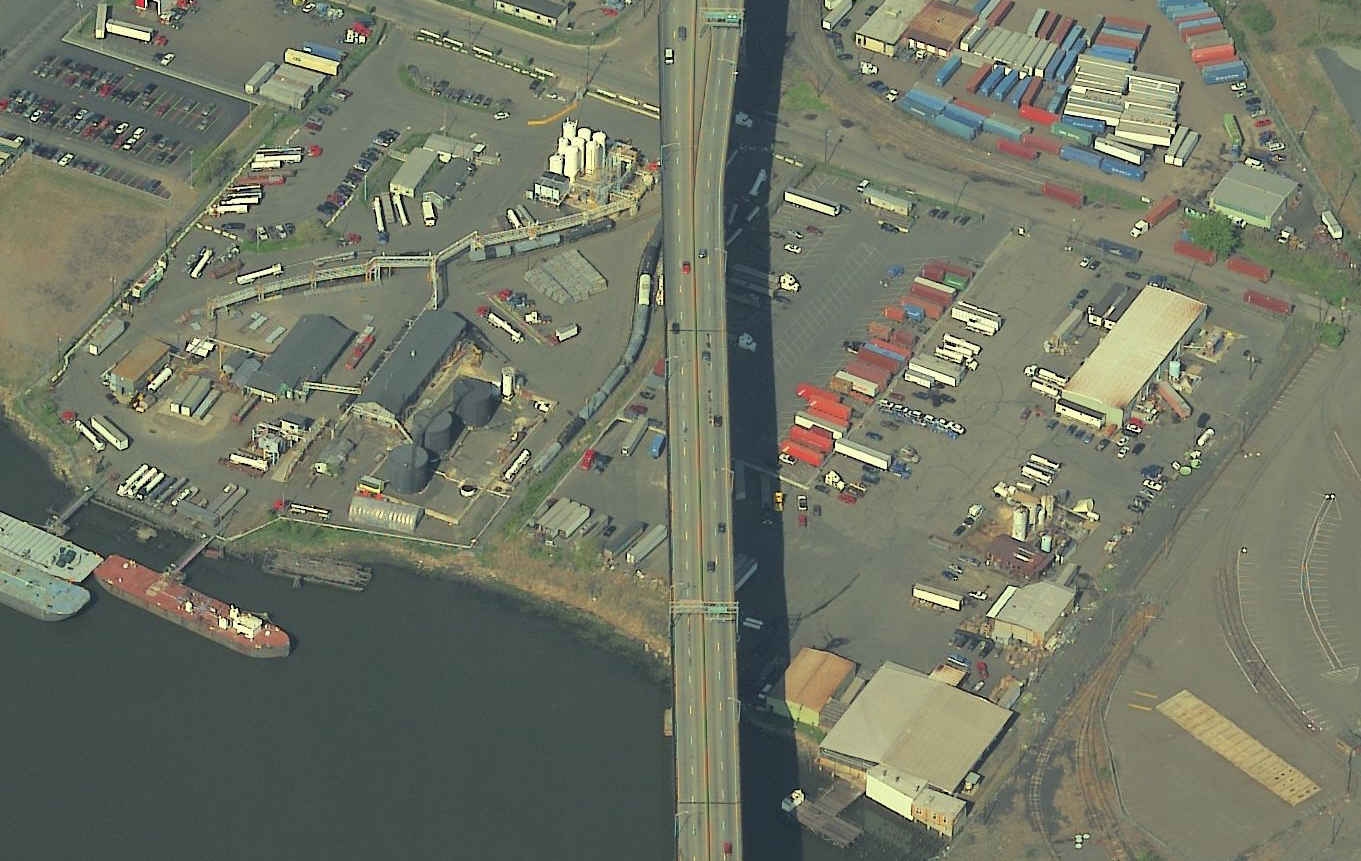
The Keuhne Chemical Plant, Kearney New Jersey, is judged to operate one of
the most dangerous chemical plants in the US.
http://www.govexec.com/features/0203/0203s2.htm
Easy Targets
February 15, 2003
Efforts to shore up America's infrastructure against another terrorist attack
have largely ignored a critical and highly vulnerable sector of the economy:
the chemical industry.
[Excerpt]
On an overcast September afternoon in South Kearny, N.J., Frank and Rosa
Ferreira parked their white Volvo across the street from the Kuehne Chemical
plant on Hackensack Avenue. Armed with a handheld video camera, the two
environmental activists wandered around the perimeter capturing images of
the plant's guard gates and security fence. They zoomed in on large storage
tanks labeled "sodium hydrochloride" in bold black letters.
A panoramic view of the fence shows security weaknesses in certain areas,
particularly at three entrance and exit gates, which are loosely held closed
by chains. No padlocks are noticeable. Despite scanning a couple hundred
yards of fence, the Ferreiras didn't pick up any security personnel on the
20-minute video, which they posted on their Web site,
www.publiccitizenonline.com.
Two days later, on Sept. 5, 2002, the Ferreiras returned. Again, they
photographed large chemical storage containers and idle tanker trucks sitting
a few feet away from the fence. And again, no security personnel approached
the couple.
Driving along the Pulaski Skyway, Frank Ferreira noticed another weakness
at the facility: It sits directly underneath the 1.3-mile bridge connecting
Jersey City to Newark. The plant, which produces chlorine and bleach for
cities along the Eastern seaboard, is a mere three miles from Newark
International Airport and five miles from Lower Manhattan. It wouldn't take
much, Ferreira says, for someone to stop on the skyway and penetrate the
storage tanks using a rifle or other weapon.
"A few days before we went down there, we saw an article in our local paper
that Greenpeace was looking at the safety of the chemical industry," Ferreira
recalls. "They focused on the Kuehne plant. The article talked about documents
filed with the Environmental Protection Agency showing that a chemical release
could threaten the lives of 12 million people in a 16-mile radius. We went
down there expecting to see something like Fort Knox - something you couldn't
penetrate." He was wrong. "It was like a ghost town. . . . Once we finished
taping, I turned to my wife and said, 'There is something terribly wrong
here.'"
The Most Dangerous US Chemical Facilities:
http://cryptome.org/0001/chem/chem-danger.htm
|